Poznan

Poznań is where they say Poland began, back in 966 when the first king converted to Christianity here. A cathedral marks the spot, built, strangely, of red brick (doesn’t that mean industry?) – yet perhaps not so strange when you consider the building materials that must have been available in this flat riverland.

Poland ended, temporarily – long-term temporarily – when it was swallowed by its neighbours in the late 18th century; but it wasn’t like the Poles to take that lying down. After the second partition of their country in 1794, they rose up and socked it to the Russians at the battle of Racławice, commemorated in the panorama at Wrocław. The revolt was put down and a third partition wiped Poland off the map in 1795, but with a little help from Bonaparte they were up and at the Russians again in 1807. After Napoleon had messed up royally by invading Russia and then been dispatched to St. Helena, Poland was carved up once more; but the Poles let the occupying Russians have it in 1830, the Austrians in 1846, and the Russians again in 1863, with predictably disappointing results each time.

When the Russian Empire collapsed in 1917 and the new Soviet government signed Poland over to the Reich, it was the Germans’ turn; here in Poznań (which the Prussians, as Posen, considered German turf) independence was declared on December 27 1918, and followed immediately by an armed uprising. The Germans fought back in early 1919, but the issue was decided at Versailles when an independent Poland, including Poznań, was finally created. After the Second World War, with the country now in an icy Soviet grip, Poznań was the first place to rise when, in June 1956, foreshadowing the Hungarian uprising later that year, workers struck and took over the city administration. This time it lasted all of 20 hours before being ruthlessly put down, with the loss of perhaps 100 lives. Both the 1918 and 1956 risings are commemorated in small, thoughtful and (particularly the 1956 one) under-visited museums.

But it’s not just that the Poles won’t lie down; they get up and party too. I had sensed this in Wrocław, seen it in Kraków and Lublin, heard it in Warsaw, and now, with Stephen as my guide, I was doing it in Poznań. 9.30, a fine microbrewery in the main square was filling up; 10.30, a makeshift party town down by the riverbank was going strong well after the band had finished; after midnight, in a big multi-level pub back in the centre, it was scarcely possible to get a seat, with no sign of anybody going home. It seemed like everybody in Poznań under the age of 30 was out having fun. And this was Wednesday night – I wonder what the weekend is like?
Posted in road | Tagged , , , | Leave a comment

Imperium

Ryszard Kapuściński was a Polish reporter who was sometimes accused of a certain, well, embellishment. It’s true that this astonishing book about the end of the Soviet empire has its moments of what might be described as magical journalism: a little girl in a Siberian city who tells him that when she steps out of her door on a winter morning she can tell which of her classmates have already gone to school by observing the shapes of the tunnels their bodies have carved as they passed in the icy mist which forms in extremely cold air, for example; while some of his accounts of the Caucasus in the late 1960s seem almost to bear the imaginative imprint of Italo Calvino’s gorgeously Invisible Cities.

This is fine writing on its own terms; but it scarcely seems to matter whether all the details are correct when the book’s greatest strength is its alternately (and sometimes simultaneously) grimly appalling and hilariously sardonic in-depth exploration of every wrinkle of the Soviet psyche, from the gruesome impulses that led Stalin to order the demolition of Moscow’s Cathedral of Christ the Saviour to Kapuściński’s unpacking of the thought process behind the reluctance to ask questions manifested by those living under Soviet rule.

The tour de force is a truly astounding tale of how in 1990 he got into the war zone of Nagorno-Karabakh disguised as an Aeroflot pilot, in spite of being entirely unable to fly a plane. This is a grippingly suspenseful yarn which could easily have raced onward to its denouement at a ripping pace, yet at every turn he takes the reader by the elbow, slows him down, and invites him to consider the peculiarities of the situation in detail from all its angles. That story alone is worth the price of admission, but there are plenty more of almost equally thought-provoking quality. Top-notch writing; straight into the top ten, this one.

Posted in misery for the many, freedom for the few, read | Tagged , , | Leave a comment

Warsaw (part thereof)

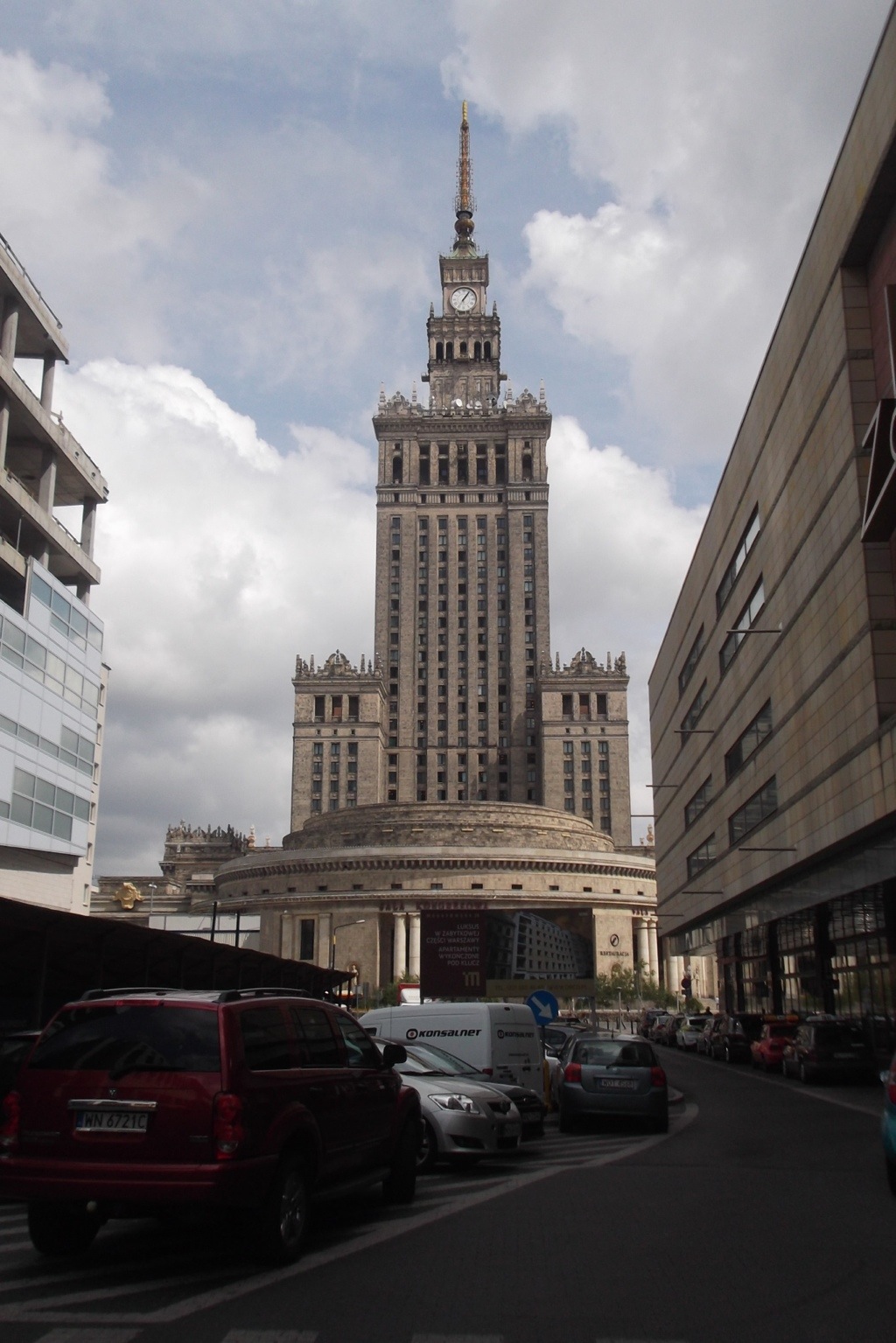
The Nazis and the Soviets between them really made a mess of this town. In late July 1944, as the Red Army reached the east bank of Warsaw’s river, the Vistula, they called on the people of Warsaw to rise against the German occupation. When they did, on the evening of August 1st, the Soviets did nothing to help; it turned out the appeal had been a cynical ploy on Stalin’s part to have the Germans do his dirty work for him in eliminating the Polish resistance, so that he wouldn’t have to deal with anyone who might have a different opinion from his about the shape of post-war Poland. By the time the Nazis had obliged – it took a few weeks – Hitler took his worsening mood out on the city by commanding it razed to the ground. In a mad, black burst of energy that might have been better expended on defending the Reich, his orders were obeyed. Then the Soviets moved into the ruins, and expressed the gratitude of the Polish people on their behalf by smacking this thing down right in the centre:

20120803-061037.jpg

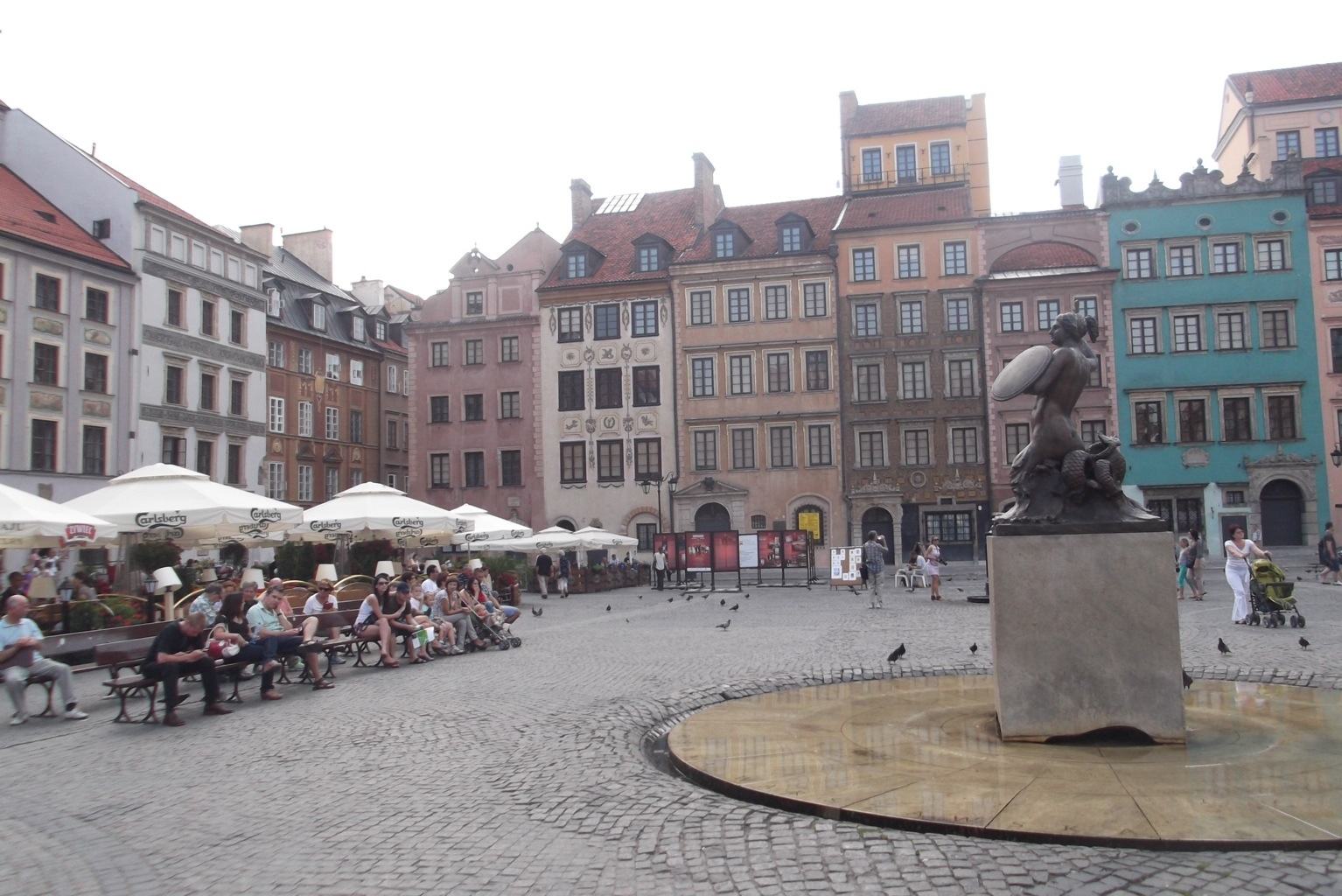
In this context, quite why they so meticulously reconstructed the Old Town – even down to putting the cracks in the right places in the walls – is a mystery. Can you spot the difference?

20120803-061216.jpg

I went to the Museum of the Warsaw Uprising, but I had just got to the point where the rising itself had kicked off and things were beginning to get interesting when, more than an hour short of closing time, they shut the place and threw everybody out in the road. The guy to whom I returned the audioguide said “orders from above”; when I said “so you don’t know why?” he responded, with a shrug and a grin, “the director says…” An arbitrary decision with no proper explanation (and certainly no refund) – those communist habits die hard, I guess…

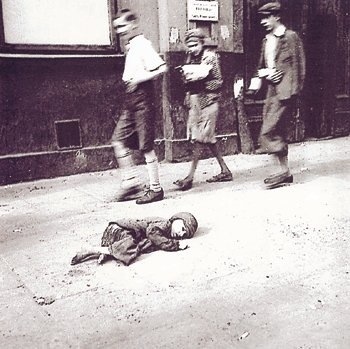
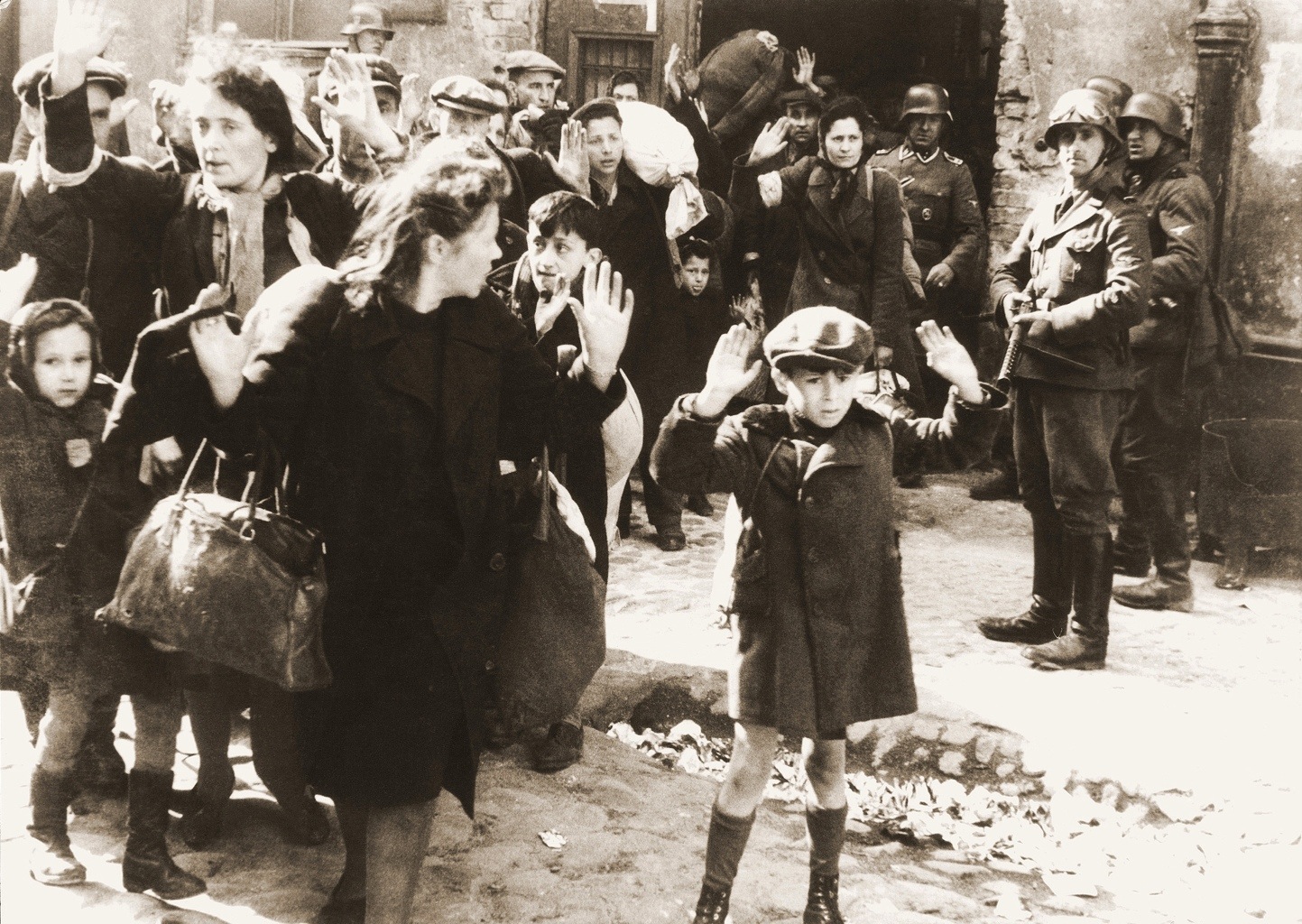
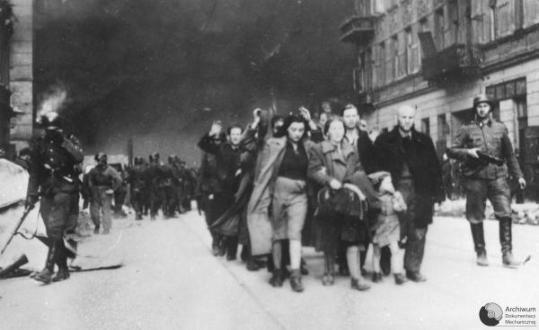
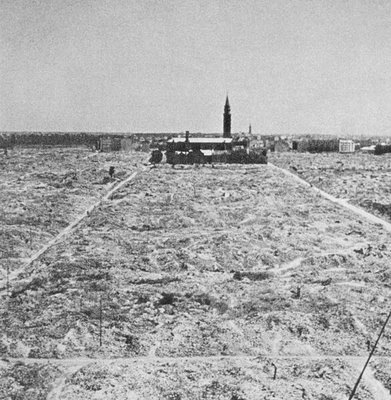
Turns out that wasn’t the only piece of bad timing: a couple of days before the 68th anniversary, they had closed the Rising monument too, so I couldn’t see that. The only place I did go in Warsaw was the Jewish Historical Institute. After the Nazi invasion, a small group of Jews started to create a secret archive of photographs and documents recording life in the Warsaw ghetto and their treatment at the hands of the occupiers. After the war, a survivor located it – or the two thirds that had not been destroyed – and now a selection is displayed here on the walls. Having established the ghetto and trucked in hundreds of thousands in cattle cars from other Polish cities so that 450,000 mostly displaced persons were crammed in to three square miles, the Nazis then sealed it from the outside world with a wall, and cut off the food supply. There was lots of smuggling but also mass starvation and disease, which the Nazis used as “proof” that Jews were dirty and contaminated. They rounded Jews up and shot them, and then rounded them up en masse and sent them to Treblinka to be murdered. When, in a final convulsion, the ghetto rose in resistance – the first mass uprising against Nazi rule – and the Polish and Jewish flags flew together on a rooftop for four days, the SS burned and drowned civilians in their basements, executed the survivors in the streets or by sending them to Treblinka, and finally blew up the synagogue and flattened what remained of the ghetto. The pity and the inhumanity – the horror suffed by the children – all this is documented here in photographs, some of them from the archive, but others taken by the Nazis themselves.

20120803-062007.jpg

20120803-062025.jpg

20120803-063905.jpg

20120803-064603.jpg

The only small gratification is that the SS officer who so brutally put the rising down swang from a Polish rope in 1952.

Warsaw is unfinished business – more next year. Watch this space…

Posted in road | Tagged , , , , , , , | Leave a comment

east

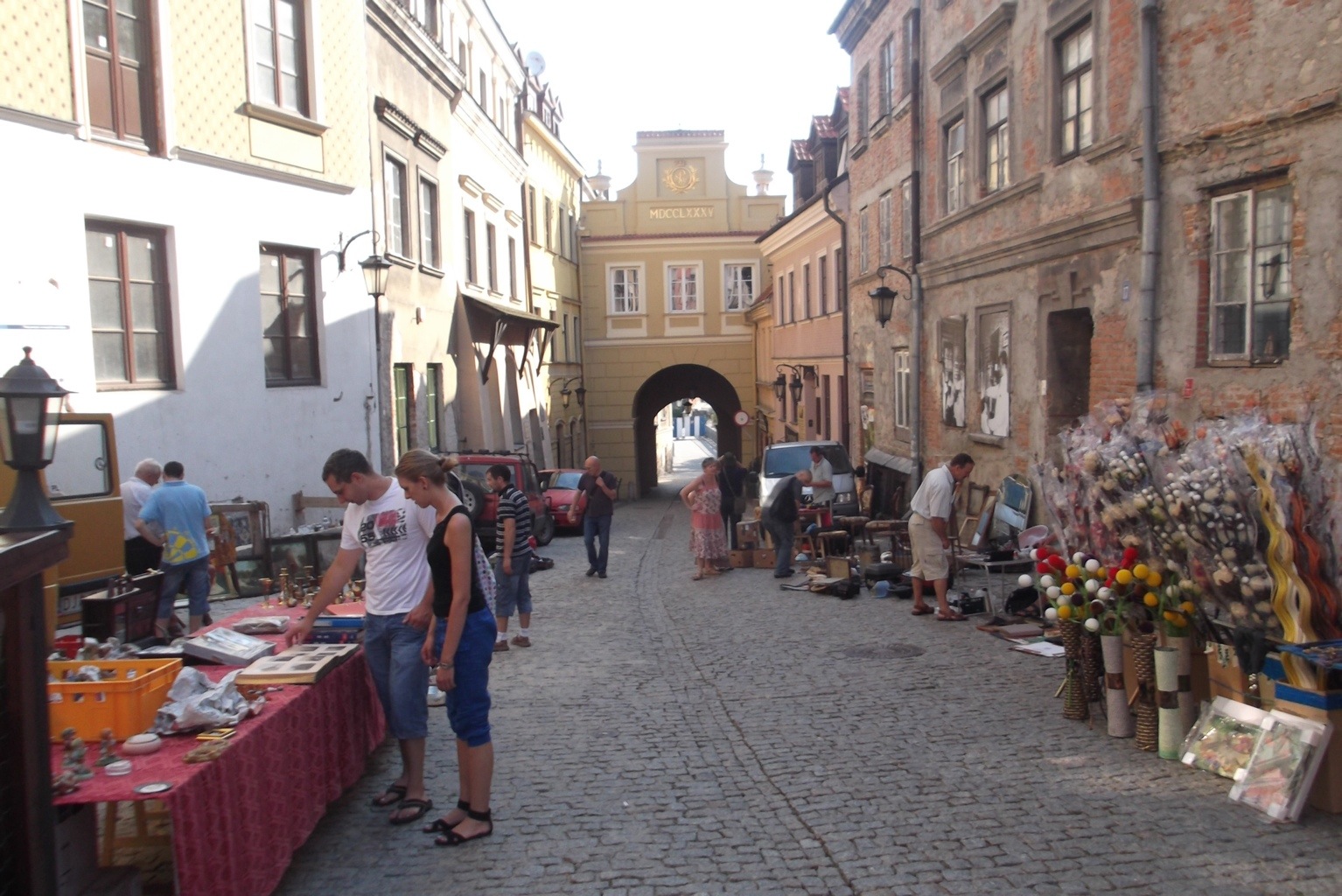
On Saturday night, Lublin is rocking – more even than Krakow. The old town – a few cobbled streets and a medieval square – is jammed with people partying out loud in sweltering heat. A punk band blasts cacophony from an upstairs window, and in front of the town hall a group of old men are playing trad Polish music. The next day there are buskers all over, fiddlers and pipers and guitarists and jugglers; an old greyhair belts out Layla, in Polish. Two people dressed as blueberry muffins, each with whipped cream and a cherry on top, wander around the square; teenage girls delight in taking each others’ photos with them. No-one would guess that this is Europe in recession – except that Poland is the one EU country that didn’t get a recession, even in 2008, and continues to thrive.

In the morning, the same streets fill up with older folk erecting tables and laying down mats: selling used jewelry, books, bags, crockery, clocks, shoes, paintings, glass jars, empty beer bottles, walking sticks, you name it.

20120729-235711.jpg

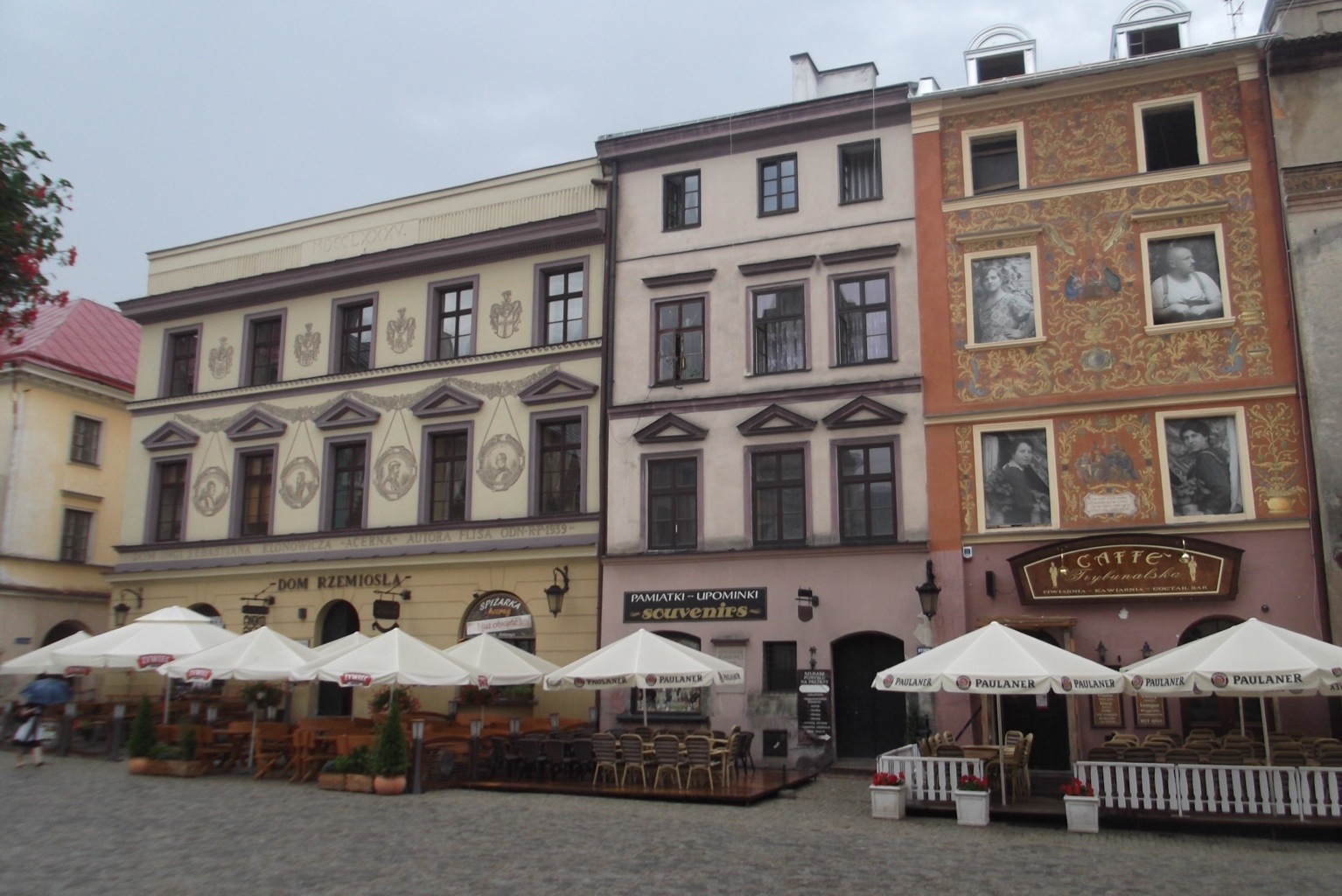
Some of the gorgeously painted houses around the town square are empty above their ground floor cafes, but their windows have been covered with giant photos of people’s ancestors:

20120803-060520.jpg

This may be partly to do with the question of ownership. I am staying by the Jewish gate; Lublin was known for its scholarship as the Jewish Oxford, and until the 1940s 40% of the population was Jewish, but they can now be counted on fingers and toes. There are plenty of plaques to commemorate this, but nobody quite knows who now owns their property, and without a clear title, nothing can be done with it.

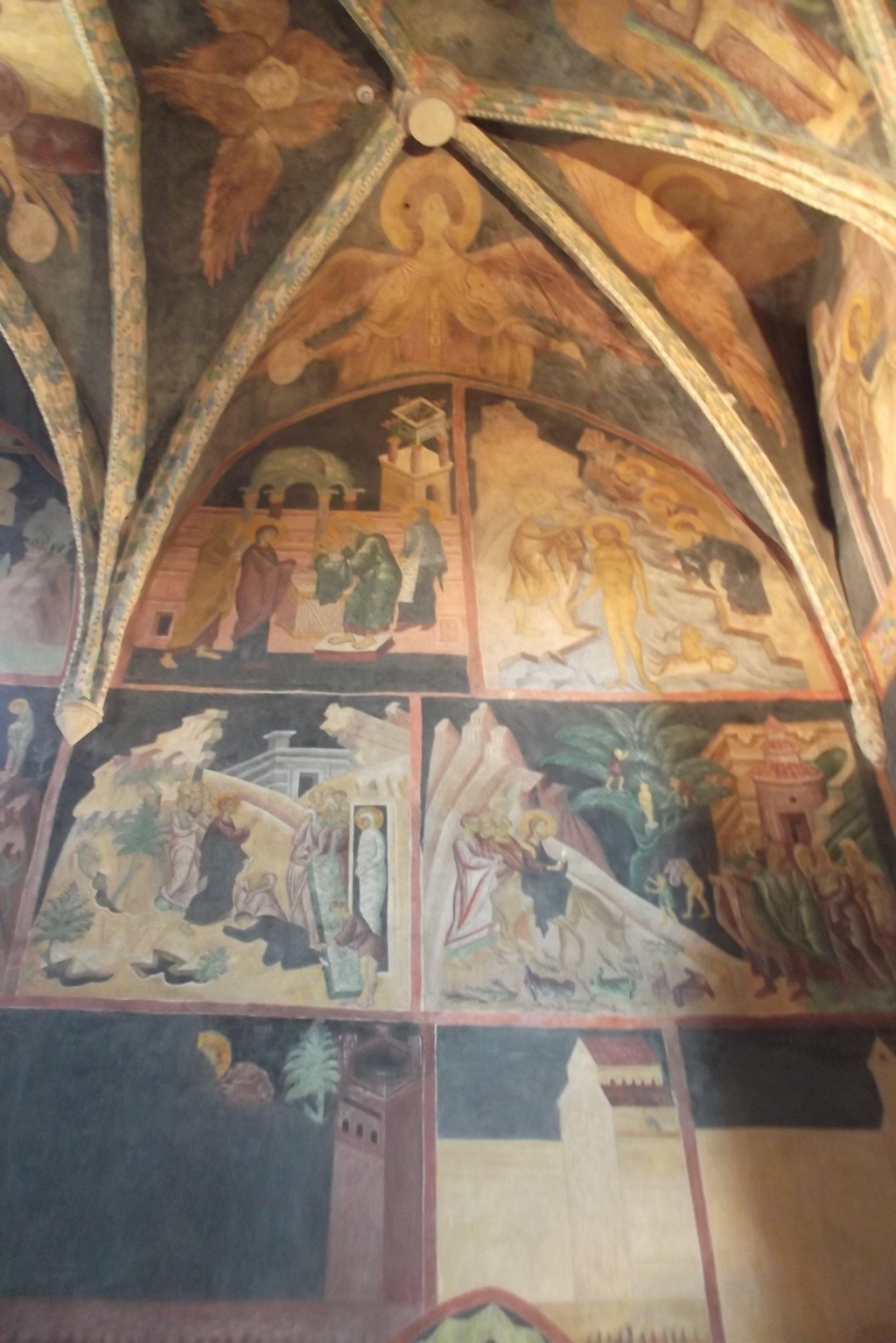
Lublin castle is not the original, rather a nineteenth century fort, but within it there is a chapel covered with beautiful 15th century frescoes; for some reason the local ruler pulled in some Russian painters and went Byzantine:

20120729-235921.jpg

Here in the heart of Europe, those cherubim, all the way from Constantinople…

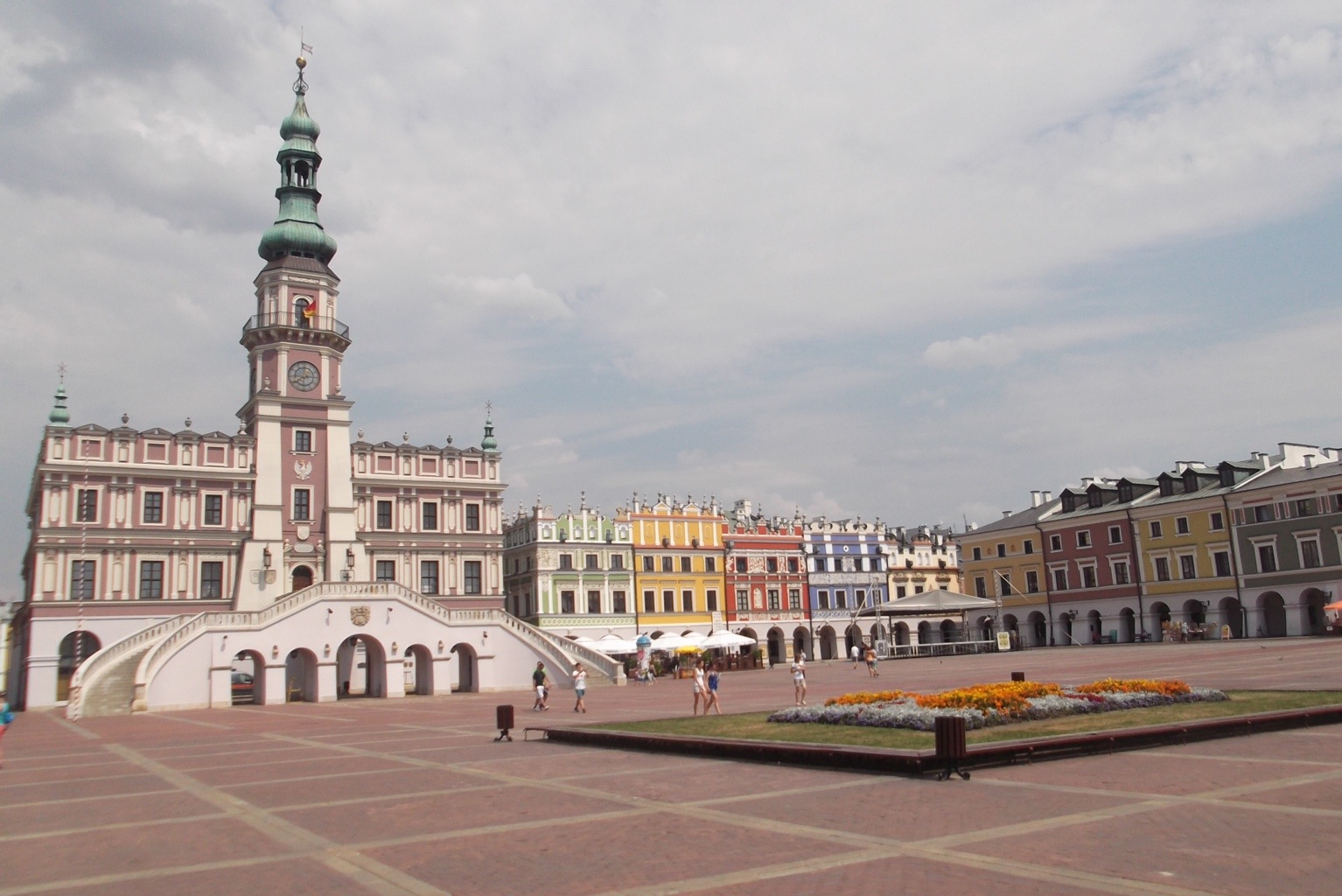
100 kilometres further east is Zamość, a town built in the 16th century as a Renaissance set piece – the square is exactly 100 metres square – to cover a trade route between the Baltic and the Black Sea.

20120730-000134.jpg

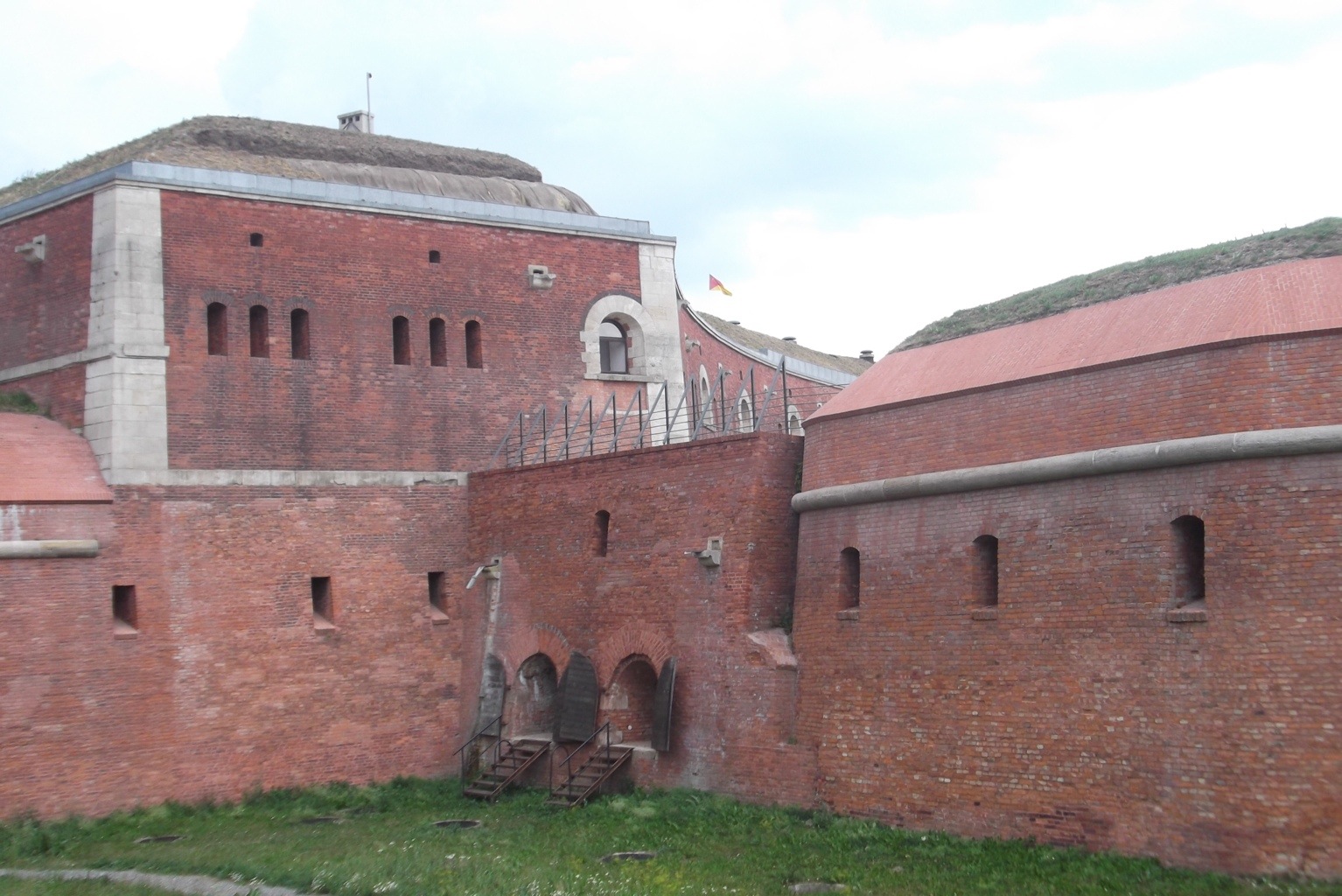
As time went by it became militarized, and battles were fought around here, hence the fortifications:

20120730-000252.jpg

It had a lucky escape during World War Two: it was to be razed and replaced with a city embodying German architectural principles named – the thought brings on a shudder – Himmlerstadt. The local German commander, who was fonder of Renaissance planning and design than his masters, raised questions (exactly what kind of German architecture was required?) for just long enough that the Red Army made the matter moot.

Lucky escape for the buildings, that is. In 1939 half the city’s population was Jewish. Latest figure for number of Jews here: three.

Outside the town centre there is tattiness and relative poverty – even a few traditional wooden houses interspersed with the concrete blocks. The whole place – as far east as the Baltic Republics, close to the Black Sea drainage – feels way out there: on the edge of Poland, of the European Union, of what Europe, from the western view, is understood to be. Beyond this edge lies Ukraine, Russia: some vast steppe stretching all the way to the Caspian and the Urals where people have lived in the anonymity of small communities for thousands of years, periodically rolled over by some army from Moscow, Kiev, Warsaw, Vienna, Berlin, even Paris, with a claim to their nominal allegiance and taxation; while in reality their allegiance has been to their traditions, their families, their few possessions, their religion and their very survival.

Under this enormous sky, the thought of all that space is enough to induce agoraphobia…

Posted in road | Tagged , , , , , , , , | 6 Comments

This Way for The Gas, Ladies and Gentlemen

Tadeusz Borowski, who wrote these stories, lived through Auschwitz somehow, and left sharply told tales of hell behind. There is nothing to say about them by way of commentary; they just need to be read. But his guilt (one has to assume) was so unconquerable that he killed himself – by gas, indeed – in 1951. He had, as he puts it in this book, “broken daily bread with the beast”; and so the Nazis claimed another victim. But without his testimony, and that of those like him, we would not know.

Posted in bleakdom: don't blink, read | Tagged , , , , , , , | Leave a comment

earth do not cover their blood

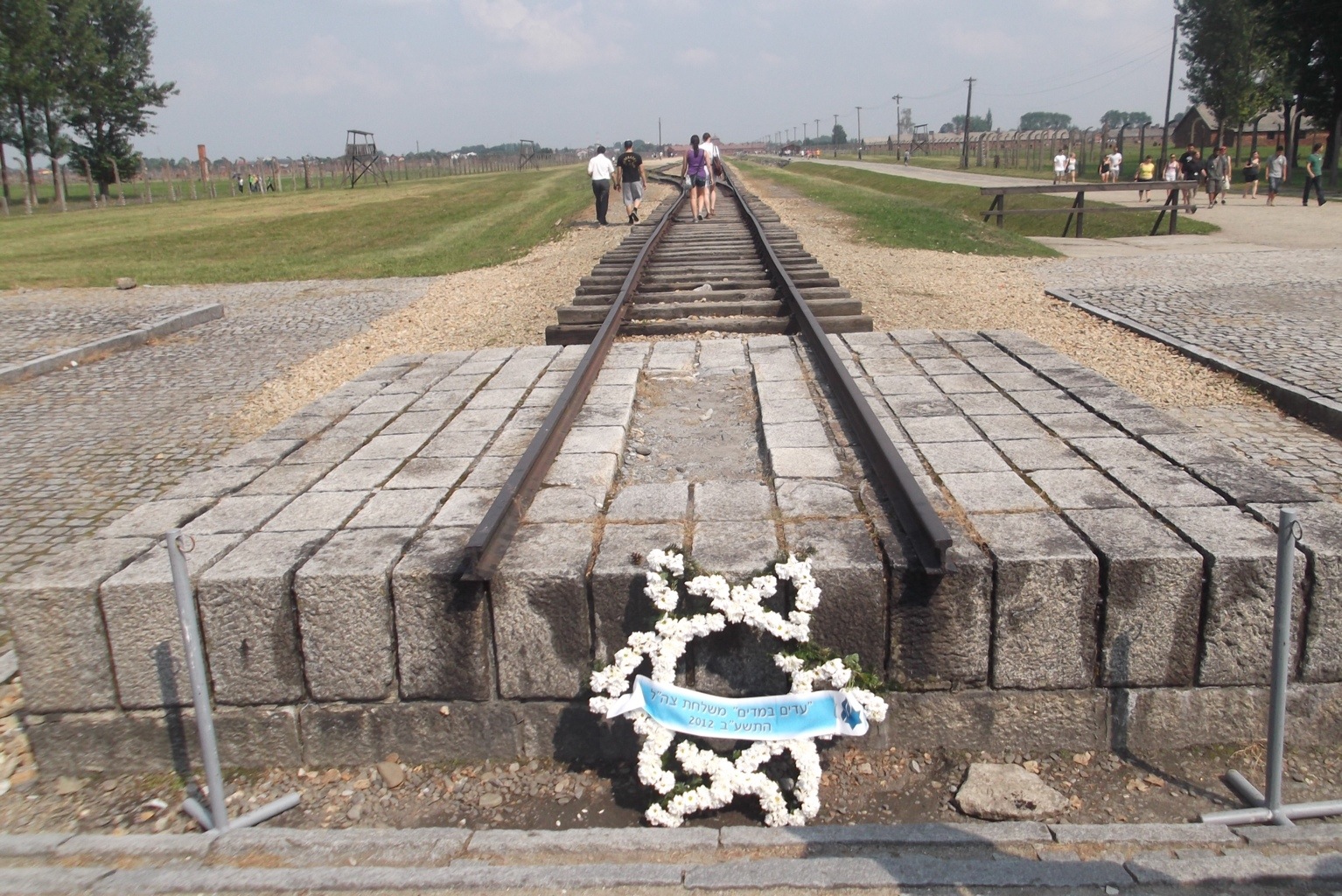
20120728-231434.jpg

From the moment the bus stops, Auschwitz and Birkenau, 67 and a half years to the day after their liberation, are heaving with guided tour groups in a Babel of languages. The story goes on and on: three-and-a-half almost relentless hours, slug after slug of horror, atrocity piled on atrocity. Three-and-a-half hours – but what is that to what happened here?

Our guide to this inferno, Dante with an umbrella, is a young Polish man. Matter-of-fact detail delivered in calm, thoughtful English, quietly bristling both with bitter, understated indignation and with the quality which was most entirely missing 70 years ago: simple human sympathy.

One of the young men in our tour group has a tattoo on his leg reading “Jesus saves”. I have to stifle the impulse to say “he didn’t do much for all these Jews, did he?” But that is not an original thought. In fact there is really nothing new to say about Auschwitz; it has been said so many times by so many people that all there is to do now is remember. That is not as easy as it sounds; such fathomless brutality, repeated day after day, year after year, cannot be grasped by the senses and staggers the mind, to the extent that it is impossible to retain it in consciousness and live a normal human life. “You cannot ask ‘why?’ about Auschwitz”, said one of the survivors interviewed for World at War, “because in Auschwitz there was no ‘why’, there was only ‘was’.”

Yet so many people come here – over a million a year, a figure which neatly matches the number who died – that there has to be hope. For me what did it was the corridor lined with startled, disoriented, terrified mugshots of the inmates at Auschwitz I – each labelled with two dates, the date of arrival and the date of death. All had a date of death; none survived. All those voices that cannot speak. Other people might have different moments when they reconnect with fundamental values – the piles of human hair, or the shoes, or the simple kitchen implements which these trusting innocents – could have been you or me – brought with them in the belief that they were to be resettled.

Surely, if enough people carry with them a searing recollection, there is a chance that next time enough people will say “no” before it all kicks off? Does the existence of Auschwitz in the European memory have anything to do with why in Greece, now in depression for five years, the neo-Nazis cannot muster more than a few percent of the vote?

20120728-231618.jpg

Posted in anybody up there?, bleakdom: don't blink, misery for the many, freedom for the few, road | Tagged , , , , , , , | Leave a comment

Kraków

Kraków is a fine, bustling city with bags of self-confidence and plenty to be proud about. Here are the tombs of the Polish kings – something like the tombs of the Kings of Gondor in the Lord of the Rings. The only earthly analogy I can think of is the tomb complex of the Ming emperors near Beijing, though those were designed to be less accessible to the people whose ancestors they ruled over – more religious mystique and less populism.

I set out into the streets armed with Stephen’s guide – cafes, restaurants and jazz clubs, all class. I could go on about the food, but what really did it was the jazz. At the Piec Art club was the Sound Quality Quartet – drums, bass, accordion (simultaneously playing different melodies with both hands) and flute – a completely original (to my ears, anyway) combination of 1970s jazz-rock, with all its tempo changes, and Slavonic tunes. This clip doesn’t really do them justice:

http://www.youtube.com/watch?v=nMJKahFycL8&feature=relmfu

They played a Coltrane song – The Promise – which had been so radically transformed that I only recognized it from the announcement; it completely recontextualised it while retaining all the vitality of the original. Stunning virtuosity and feeling – and only 20 people to see it, in spite of the €3 entrance charge. Two days later, the PF Trio, actually a quartet: bass, drums, and brilliantly dueling alto and tenor saxes.

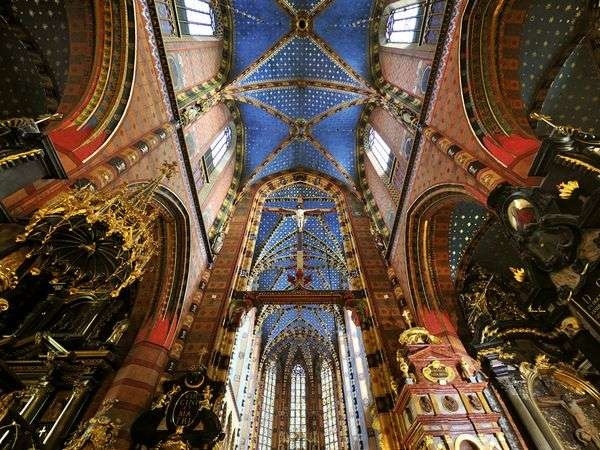
Tourist gear: the big church, St. Mary in the main square, has a major Gothic altarpiece for a big draw. No crucifixion; that is reserved for high up in the interface between nave and choir. Impressive it all is, but more so is the fact that the church is internally painted: from the ground upwards in earthy ochre, and a starry firmament on the ceiling:

20120728-151730.jpg

The main town square teems. I take pleasure in seeing Jews with skullcaps strolling among Polish crowds while jazz bands play Slavonic trad for multinational audiences; all these things were supposed to have been eliminated 70 years ago, but today they are happening, while Hitler and all but the last of his thugs have long been six feet deep. This is Europe; may it thrive.

That can’t reverse the damage that was done, of course. The tourist floats in the city streets, among the city’s other sights, advertise “ghetto”‘ “Jewish quarter” and “Schindler Factory” (yes, it was here that Schindler did his famous good deeds), but this cheerful Holocaust tourism can only do so much to hide the fact that it would have taken thousands of Schindlers to prevent what happened; and that while there are a number of historic synagogues and even some Jewish restaurants with bands in Jewish dress playing traditional Jewish music, there are hardly any Jews in the Jewish quarter, which is moving from run-down towards being Kraków’s answer to Camden Town.

20120728-151939.jpg

There is, though, a wonderful little gallery, one of the finest I have been to in Europe, called the Galicia Museum. Galicia was a region of the Austro-Hungarian empire created after Poland was partitioned between Russia, Prussia and Austria in the late 18th century, and stretched eastward from Kraków into what is now Ukraine. In almost every village there was a thriving Jewish community; no more. The photos in the gallery concentrate on what remains in the part of Galicia that is now in Poland: the abandoned or converted synagogues, the shattered graveyards, the copses that were once graveyards and around which the local farmers still plough carefully, the houses that have become dilapidated because no-one can figure out who owns them; the massacre sites and the death camps; and the memorials, both large-scale and quiet and local, that have sprung up to commemorate. It’s an exhibition worthy of tears, for Hitler, in this part of Europe, achieved his aim: a way of life that had existed for a thousand years, gone.

20120728-152116.jpg

Posted in road | Tagged , , , , , , , | Leave a comment

Love and Garbage

A novel by the Czech writer Ivan Klima, written in the early 1980s: mostly garbage, actually. He’s very good on garbage: he describes well the environmental pollution of Prague and its environs by the communist regime, and how they also polluted people’s minds through their mendacious propaganda, which he (or his translator) memorably characterizes as “jerkish”.

But the trouble begins with the “Love” part. He – wait a minute, who is he? One could normally assume an ironic distance between middle-aged author and middle-aged narrator, except that there is a particularly shifty attempt at a disclaimer at the beginning of the book: “None of the characters in this book – and that includes the narrator – is identical with any living person” – celebrates infidelity, in this instance with a sculptress, maybe as some sort of escape from the grinding detail of life under communism. All I could think was “man, put it away, be fair to your wife and kids” – but he keeps going with it for over 200 pages before coming to the tortured conclusion that, er, having two women on the go at the same time isn’t worth it, so he has to ditch the mistress. Who by this time has descended (surprised?) from a paragon of virtuous musehood into a viciously angry and jealous monster. Is that the fault of the nasty authorities, or the i-couldn’t-help-it indecision of the narrator?

As a picture of daft manhood (or rather the failure of manhood) I don’t think, in detail, it could be bettered. But, although over-written (and occasionally poisoned by the “narrator”‘s unpleasant condescension towards those – e.g. football fans or enthusiasts of popular culture – whom he considers have lost their souls), it does have some insightful moments, including one where the narrator, reflecting on his own wedding, sees into the true depths of his own impulse to infidelity (quotation stripped of angst-ridden over-coloration in order to cut to the chase):

“What depressed me were certainly not doubts about the rightness of my choice, but the knowledge that I’d made a decision once and for all. I suspected that for me the most blissful prospect was not so much having the person I loved permanently by my side as… the hope that the real encounter was still awaiting me…Man is reluctant to accept that his life has come to a conclusion in that most important respect, that his hopes have been fulfilled.”

Dear me, tragic, but possibly one we guys all might have to struggle with. Too bad for us. And then at the death, after a final, post-breakup encounter with his once-idyllic mistress, he spots this one:

“paradise cannot be fixed in an image, for paradise is the state of meeting. With God, and also with humans. What matters, of course, is that the meeting should take place in cleanliness…Paradise is, above all else, the state in which the soul feels clean.”

Getting in touch with his conscience then…I guess we all figure things out in our own good time…

I shouldn’t be irreverent – he is an honored figure in Czech literature…

Posted in read | Tagged , , , , , | 4 Comments

I Served The King Of England

This novel by the Czech writer Bohumil Hrabal, written in 1971, consists of a series of impossible anecdotes strung around the life of the narrator, a waiter in Bohemia during the years around the Second World War. At first it’s merely fantastical and extravagant, but as the Nazis move into the story it strikes darker, as the narrator at first sticks up for (against the Czechs) and then marries (in the face of, though with special permission from, the Nazis) a blonde Aryan Nazi woman, who reduces their previously passionate sex life to an uebermensch reproductive puropse, bears a deranged son (banging nails into everything as the RAF bangs bombs into Europe) and then is killed in an air-raid, leaving the narrator a briefcase of immensely valuable stamps stripped from Jews on their way to the death camps, through the sale of which he is able to raise enough money to become rich and establish his dream hotel, which is then taken from him by the Communists.

If you think that was a long sentence you should read some of his.

How long is it since I have read a novel? I hardly know what to say. The narrator claims for most of the book to believe in the power of money but in the end it’s about inward riches, as he ends up mending roads in a remote corner of the Sudetenland mountains, living alone in an abandoned house with just a dog, a goat, a donkey and a cat for company. It’s fantastically written in both senses of the word fantastic, and his repeated catchphrase is about how the impossible became true. When you are starting from impossible premises I guess that’s not too hard, but (with the suspension of normal disbelief that must have been required to imagine that something like the Holocaust could really happen hovering in the background) it all doesn’t seem too far-fetched…

In real life Hrabal seems also to have dealt in the impossible becoming true: after the Velvet Revolution Vaclav Havel brought Bill Clinton and Madeleine Albright to his local in Prague to meet him; after writing repeatedly about death by falling from a 5th floor window, and having witnessed one such death, that of a political prisoner, in the street, he then died by falling from a 5th floor window, apparently while feeding pigeons.

A shimmering and highly readable tale, in any case – and an illuminating take on the still unfathomable tragedy of 20th century central Europe….

Posted in read | Tagged , , , , , , | Leave a comment

24 hours in Silesia

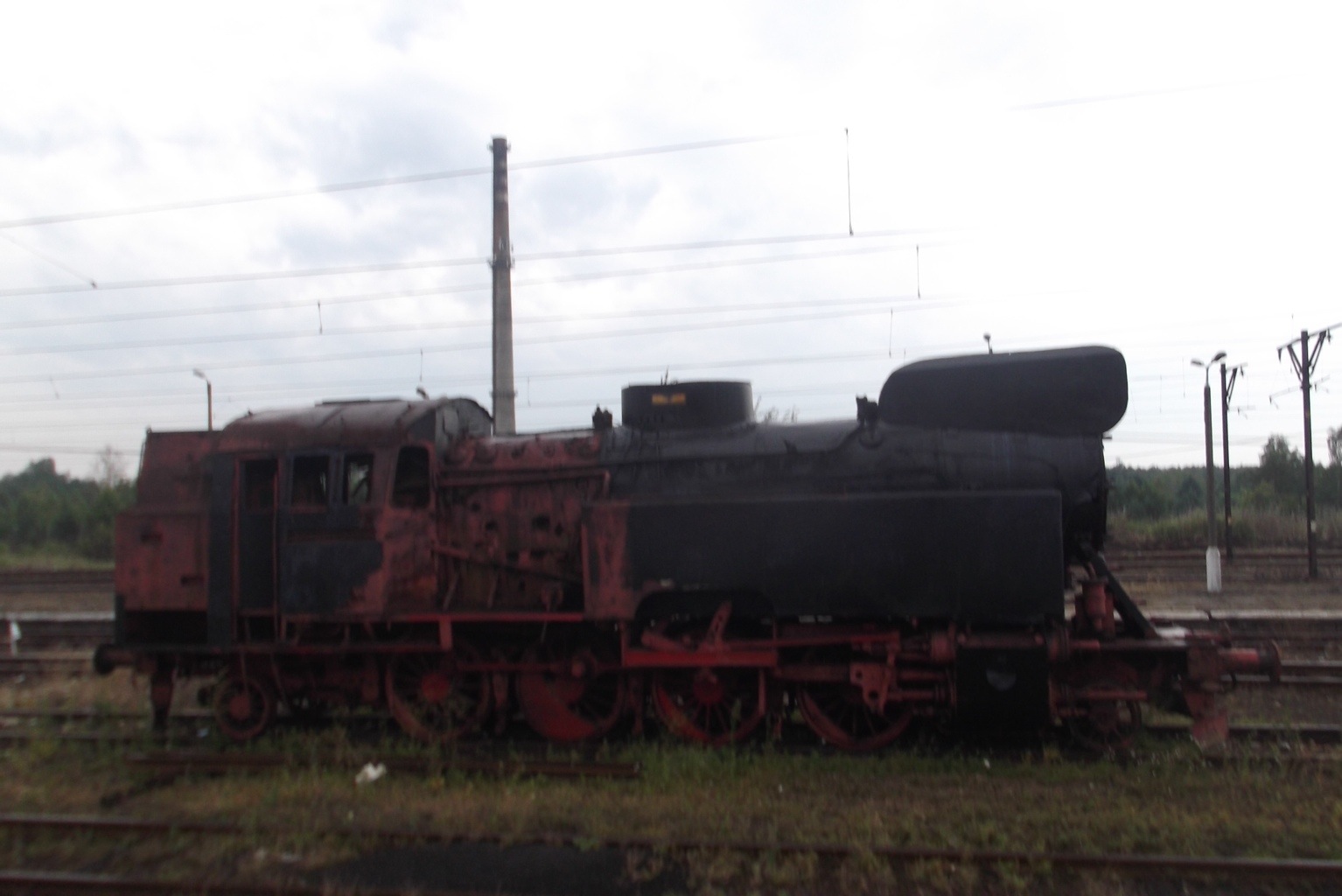
The small train from the Czech Republic came rattling through cool Sudeten mountain forests of silver birch into Poland, and then descended to the plains. When I was at school back in the 1970s I had a mental picture of (then Communist) Poland as a flat industrial land under grey skies over which trains passed on their way from the Soviet Union to Berlin. Take away the Soviets and add some trees, and, as the train grinds its way through Silesia, factories and disused factories and grim apartment blocks for what seems like hundreds of kilometres around Katowice, that is what I am seeing. I wonder if this the saddest part of (free) Europe?

20120726-214257.jpg

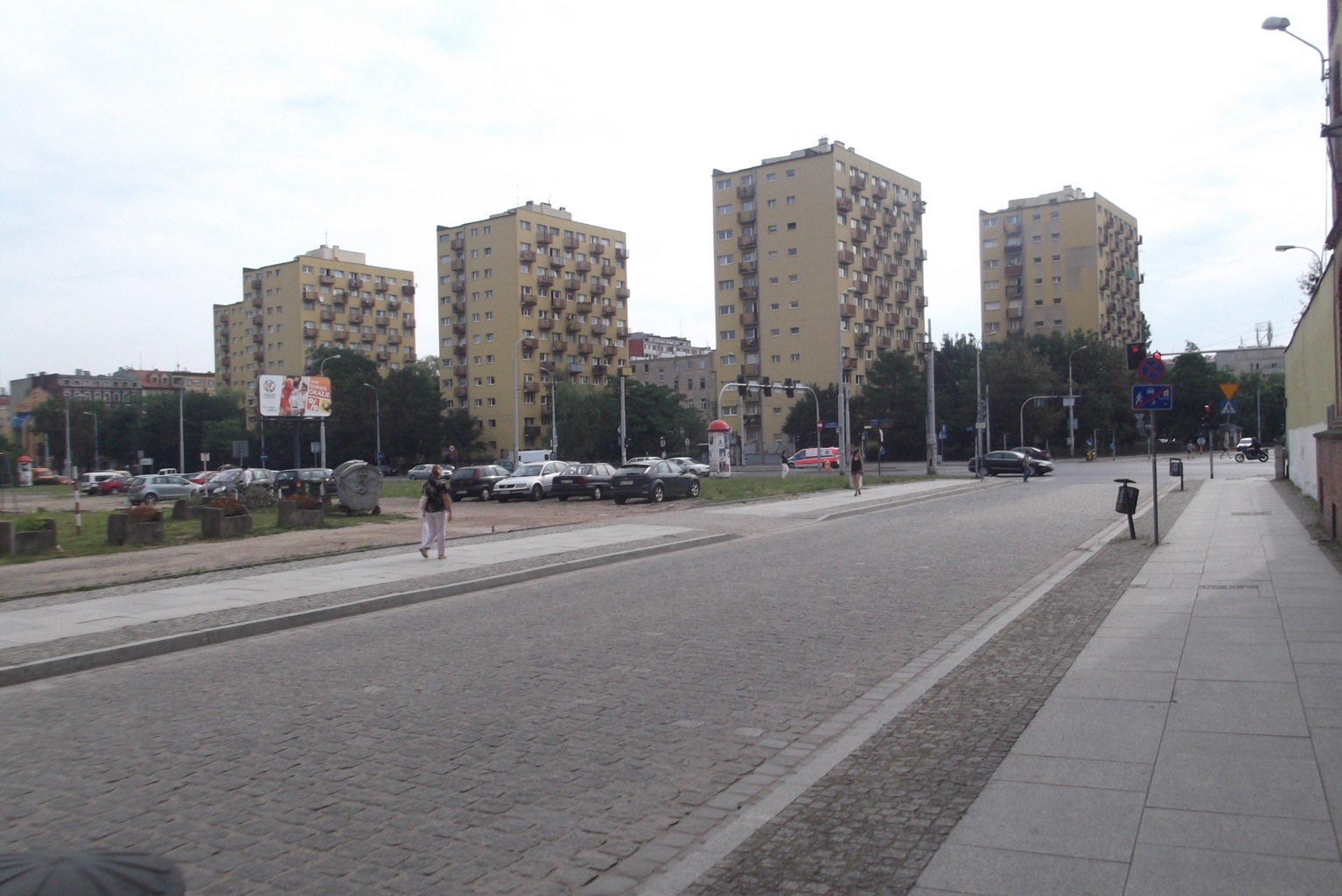
First stop was Wrocław, founded by Bohemians, taken over by Poles, and then for centuries a German city: Breslau. 100 years ago it was 98% German; now, a similar percentage Polish. A reminder that I am now (again) entering that part of Europe into which a vast Russian tsunami thundered in 1944-45, thousands of kilometres from the Urals into the heart of Germany, and which drowned the land for 45 years before messily receding, but with the landscape altered forever: a flood of doublethink and “jerkish” (to use the Czech writer Ivan Klima’s term for their propaganda language) and apartment blocks like these:

20120726-214435.jpg

and, surreal but also all too real, mass deportations and enforced migrations. Stalin wanted the Polish city of Lvov for the Ukraine, so he simply (with little resistance from Roosevelt or Churchill, who realised they were powerless in the matter) redrew the borders, and forced the people of Lvov to move wholescale to Breslau in German Silesia, naming it once again Wrocław and transferring it to Poland. What was left of the Germans of Breslau were booted on westward to what was left of what had been their Reich (they had given Hitler one of his biggest turnouts in the last election before he abolished such things). One set of people moved out of what was left of the houses, the shops, the offices, the churches, and another set moved in. Even the city’s current big cultural landmark and tourist draw, the Racławice panorama, depicting a glorious Polish victory over the Russians in 1794, was created in Lvov and transported here in 1945 (though not installed until the 1980s). This violently fluid relationship between people and land is a bit of a shocker to this Englishman: we have Offa’s Dyke and the Cheviots, and (give or take the dodgy matter of Cornwall) there is no question what is “ours” and what is not…

So Wrocław, like its namesake Bratislava, now in Slovakia, is a city built by one people and lived in by another. Unlike Bratislava, though, it doesn’t feel uneasy in its own skin. Its big churches are old enough to date from the first period when the city was Polish, and some of the old city centre dates back that far too. The main square is full of people strolling and eating; buskers with guitars and accordions move from restaurant to summer restaurant. And the black humour, I guess, is Polish too:

20120726-214634.jpg

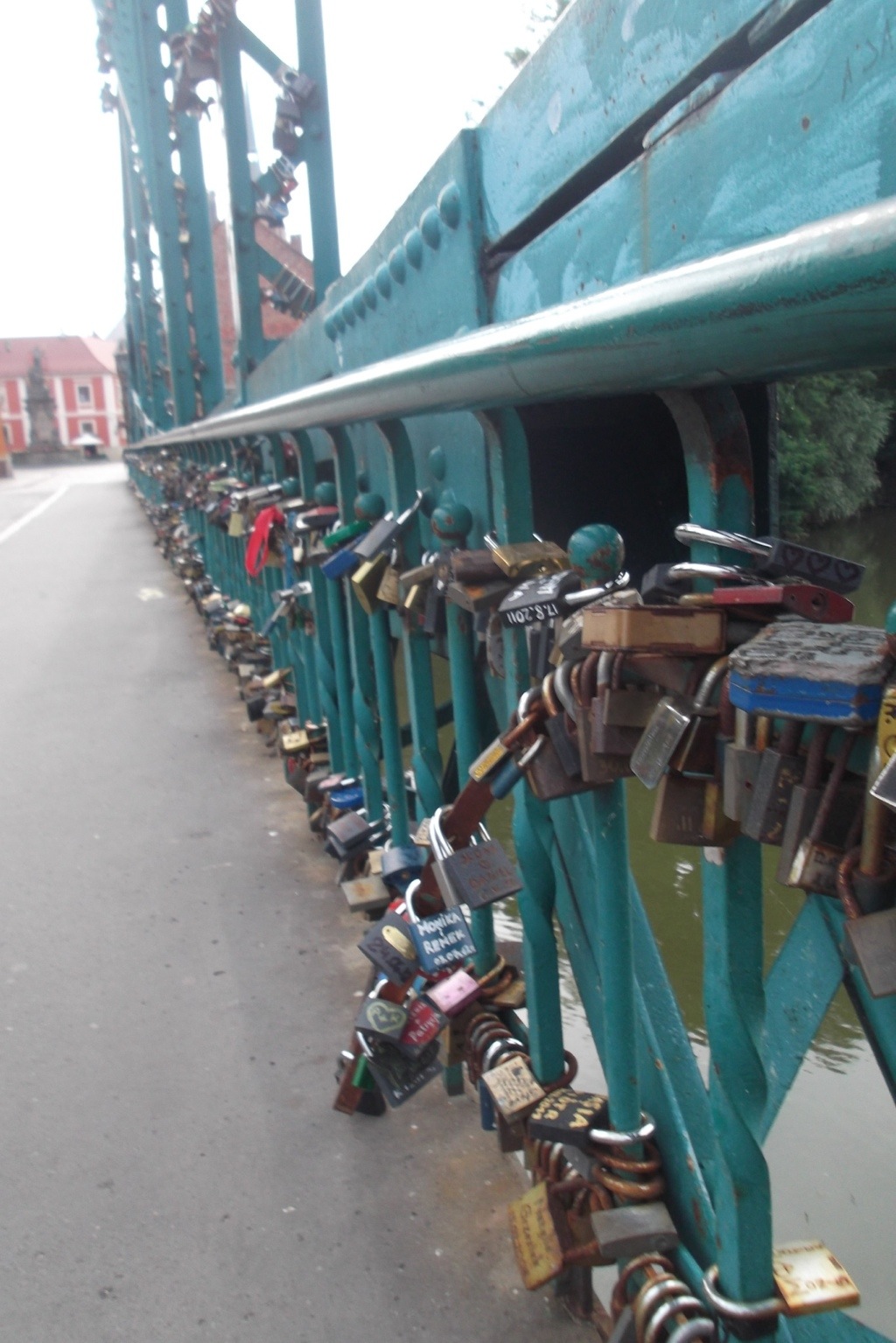
One of the metal bridges that spans two of the older districts is festooned with padlocks inscribed with the names of lovers (if you look closely you may be able to see the one installed by Adam and Eva):

20120726-215030.jpg

I wonder how many of these couples are still together today? Do the exes come out in the night with bolt cutters?

Posted in road | Tagged , , , , , , , , | 1 Comment